
Seasonal Product Sourcing: Trends and Tips


Understanding Seasonal Product Sourcing
Seasonal product sourcing involves procuring items that are in high demand during specific times of the year. This approach not only maximizes sales potential but also keeps your inventory fresh and appealing to consumers. By anticipating trends and understanding consumer behavior, businesses can capitalize on the changing seasons effectively.
One of the key factors to successful seasonal sourcing is timing. It's crucial to plan ahead and ensure that products are available before the demand peaks. This requires a comprehensive understanding of both historical sales data and market trends.
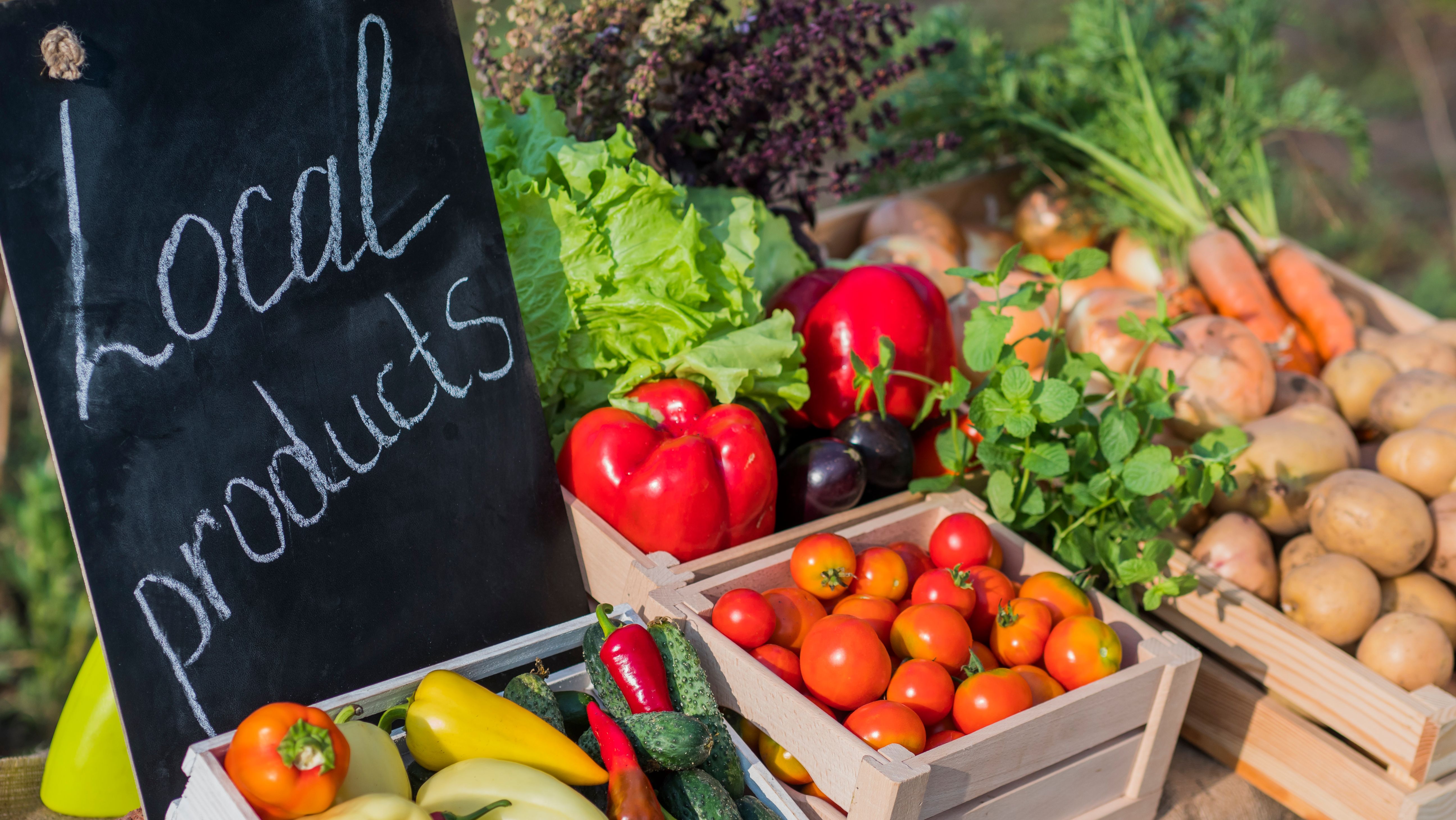
Trends in Seasonal Sourcing
Trends in seasonal sourcing can vary greatly depending on the industry. For instance, fashion retailers may focus on different color palettes or styles for spring and autumn collections. In contrast, tech companies might plan for increased demand for gadgets during the holiday season.
Another trend is the growing importance of sustainability. Consumers are increasingly seeking eco-friendly products, even for seasonal items. This shift encourages businesses to source products that are not only timely but also environmentally responsible.
Tips for Effective Sourcing
To succeed in seasonal product sourcing, businesses should consider the following tips:
- Research Market Trends: Stay updated with industry reports and consumer trends to anticipate what products will be in demand.
- Build Strong Supplier Relationships: Establishing reliable partnerships ensures a steady supply chain, which is crucial during peak seasons.
- Leverage Technology: Use inventory management and analytics tools to track sales patterns and adjust sourcing strategies accordingly.

Challenges in Seasonal Sourcing
While seasonal sourcing offers numerous opportunities, it also presents challenges. One common issue is overstocking or understocking. Misjudging the demand can lead to excess inventory or missed sales opportunities. Additionally, supply chain disruptions can impact the timely arrival of seasonal products.
To mitigate these risks, businesses should adopt flexible sourcing strategies and maintain open communication with suppliers. By doing so, they can adapt quickly to changes in demand and supply chain dynamics.
Adapting to Consumer Preferences
Consumer preferences can change rapidly, especially with the influence of social media and digital marketing. Businesses must be agile and responsive to these changes to succeed in seasonal sourcing. Engaging with customers through surveys and feedback can provide valuable insights into their preferences.

Additionally, offering personalized recommendations based on consumer behavior can enhance the shopping experience and drive sales. By aligning sourcing strategies with consumer expectations, businesses can build stronger connections with their audience.