
Seasonal Trends: Best Times of Year for Product Sourcing in Singapore


Understanding Seasonal Trends in Singapore
Singapore, with its strategic location and bustling economy, offers a unique landscape for product sourcing. Understanding the seasonal trends can help businesses optimize their sourcing strategies. Various factors, such as holidays, festivals, and climate, influence these trends. By aligning sourcing efforts with these patterns, companies can achieve better pricing and availability.
Weather and Climate Considerations
Singapore's tropical climate means that the country doesn't experience drastic seasonal changes like temperate regions. However, the monsoon seasons can impact logistics and availability. The Northeast Monsoon, from December to March, brings more rainfall, which can affect shipping times and costs. It's wise to plan around these periods for smoother operations.
On the other hand, the drier Southwest Monsoon, from June to September, might offer more predictable conditions for transportation. Businesses should monitor weather forecasts and plan their logistics accordingly to avoid unexpected delays.
Festivals and Public Holidays
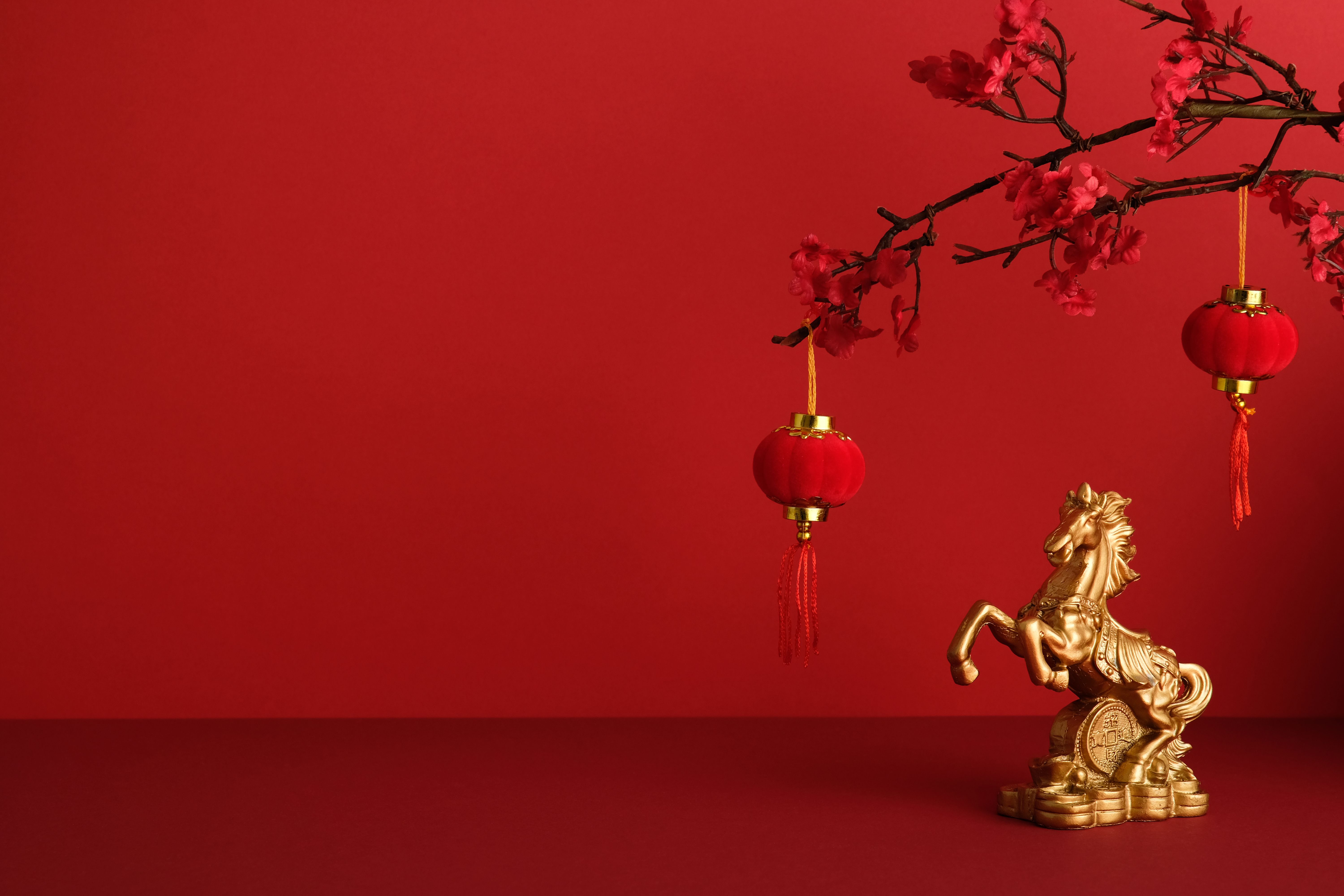
Singapore is known for its multicultural society, which celebrates a variety of festivals throughout the year. These occasions can significantly impact product sourcing. For instance, the Chinese New Year, usually in January or February, is a major holiday that can disrupt supply chains. Factories often close for several weeks, so it's crucial to place orders well in advance.
Other significant holidays include Hari Raya, Diwali, and Christmas. Each presents unique challenges and opportunities. Businesses should adjust their sourcing schedules to ensure stock levels are maintained and capitalize on post-festival discounts.
Market Trends and Consumer Behavior
Consumer behavior in Singapore also follows seasonal trends. During the Great Singapore Sale, typically from June to August, demand for retail products spikes. This period is ideal for sourcing consumer goods due to increased purchasing activity. Retailers can benefit from bulk purchasing and promotional pricing during this time.
Similarly, the year-end holiday season sees a surge in demand for gifts and festive items. Sourcing these products early can help businesses meet consumer demands and maximize profits during peak shopping periods.

Leveraging Trade Shows and Exhibitions
Trade shows and exhibitions play a significant role in product sourcing in Singapore. Events like the Singapore International Trade Exhibition offer a platform for businesses to discover new suppliers and products. These events are typically scheduled around key seasons, allowing businesses to align their sourcing strategies with upcoming trends.
Participating in these exhibitions provides valuable insights into industry innovations and helps establish vital connections with suppliers. Companies should consider the timing of these events when planning their sourcing activities.
Conclusion: Strategic Planning for Success
By understanding and leveraging seasonal trends in Singapore, businesses can optimize their product sourcing strategies. Whether it's navigating the monsoon seasons, planning around major festivals, or capitalizing on market trends, strategic planning is key to success. With careful consideration of these factors, companies can enhance their operations and better meet their customers' needs.