Seasonal Trends in Product Sourcing: What to Expect


Understanding Seasonal Trends in Product Sourcing
Seasonal trends in product sourcing significantly impact businesses, influencing decisions on inventory, pricing, and marketing strategies. As seasons change, so do consumer demands, and businesses must adapt to stay competitive. Understanding these trends is crucial for optimizing product availability and meeting customer expectations.
The Impact of Seasonal Changes
Each season brings unique challenges and opportunities in product sourcing. During the winter months, demand for items like warm clothing, holiday decorations, and comfort foods typically increases. Conversely, summer sees a rise in the need for outdoor gear, swimwear, and travel-related products.
Businesses should anticipate these shifts to maintain adequate stock levels. Failing to align inventory with seasonal demand can lead to missed sales opportunities or excess stock, impacting profitability.
Adapting to Trends
To effectively manage seasonal trends, businesses can adopt several strategies:
- Data Analysis: Utilize historical sales data to predict future demand.
- Supplier Relationships: Build strong relationships with suppliers to ensure flexibility and timely delivery.
- Market Research: Stay informed about emerging trends and consumer preferences.

Technology's Role in Seasonal Sourcing
Advancements in technology have transformed how businesses approach seasonal sourcing. Artificial intelligence and machine learning can forecast demand with higher accuracy, allowing for better inventory management. Additionally, e-commerce platforms provide valuable insights into consumer behavior, helping businesses tailor their offerings.
Online tools also facilitate seamless communication with suppliers, ensuring that orders are processed and delivered efficiently.
Global Sourcing Considerations
Global sourcing presents both opportunities and challenges in managing seasonal trends. While it offers access to a diverse range of products, businesses must navigate factors such as shipping delays, tariffs, and currency fluctuations.

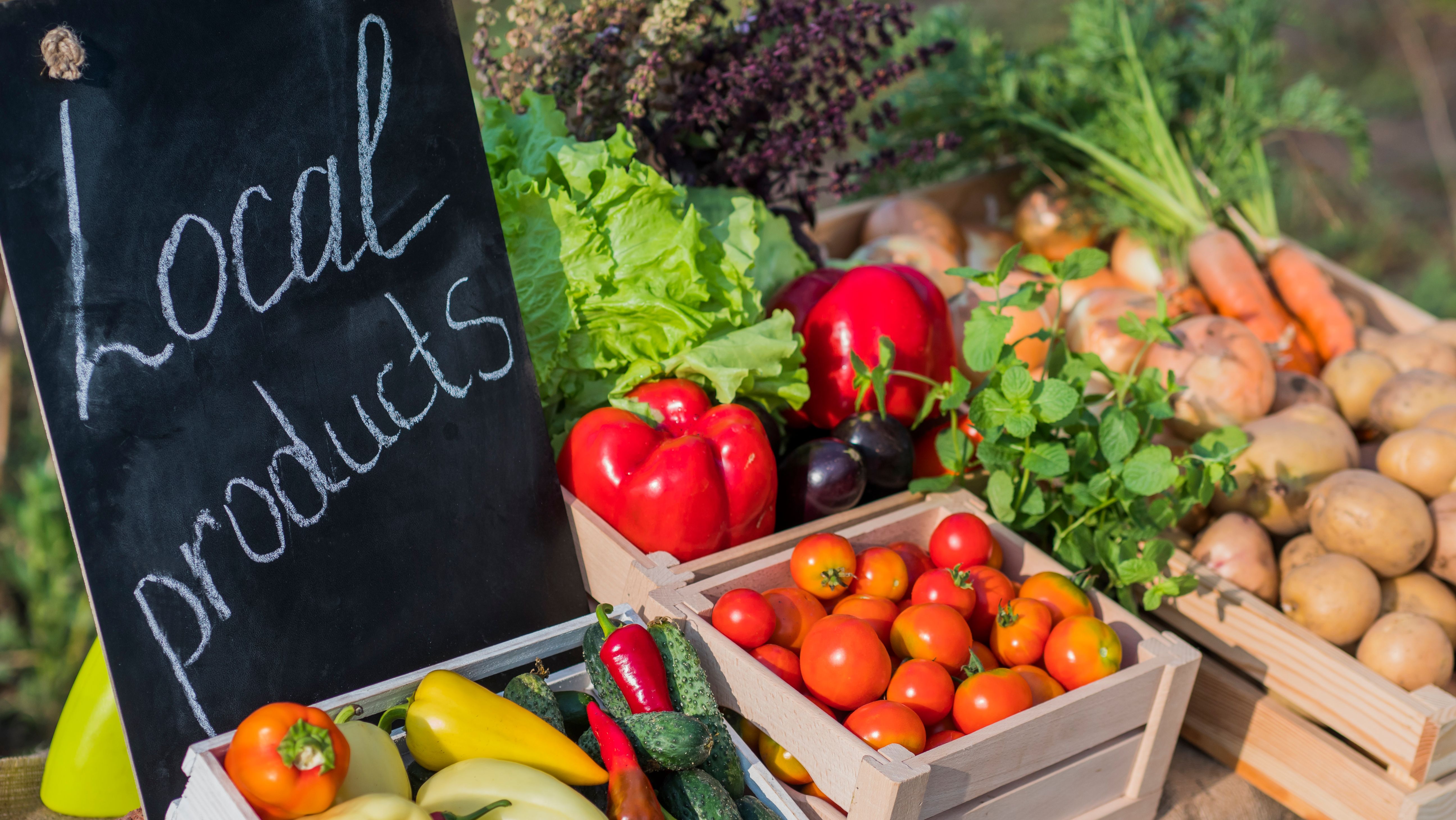
To mitigate these risks, companies should diversify their supplier base and consider local sourcing options when feasible. This approach not only reduces dependency on a single source but also enhances sustainability efforts.
Preparing for Unpredictable Changes
While seasonal trends can often be predicted, external factors such as economic shifts or environmental changes can lead to unexpected demand fluctuations. Businesses should develop contingency plans to address these scenarios, ensuring resilience in their sourcing strategies.
Flexibility and adaptability are key to managing unforeseen challenges, allowing businesses to pivot quickly in response to changing market conditions.
Conclusion: Staying Ahead of the Curve
Successfully navigating seasonal trends in product sourcing requires a proactive and informed approach. By leveraging data, technology, and strong supplier relationships, businesses can optimize their sourcing strategies and meet evolving consumer needs.
Keeping a finger on the pulse of seasonal trends not only enhances competitiveness but also drives growth and customer satisfaction.